
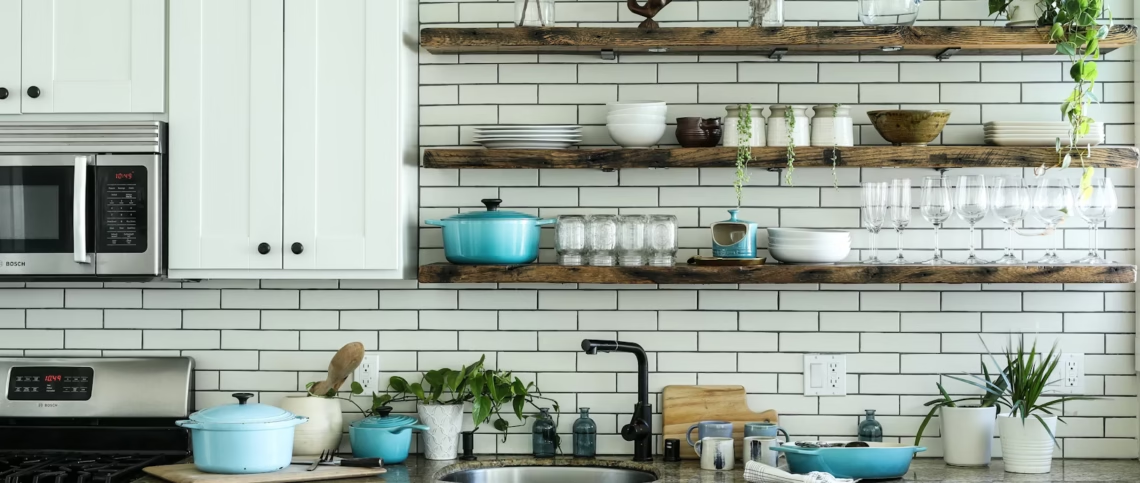
When I first started paying attention to the products I was using in my home, the kitchen, being the heart of the home, felt like the most overwhelming place to begin. Between food storage, cleaning supplies, cookware, and even tea bags, it seemed like everything needed replacing.
Instead of throwing everything out and starting from scratch, I took a more realistic approach. I focused on a few simple swaps that made the biggest impact without stretching my budget or adding stress to my routine.
If you’re just getting started, these are the easiest non-toxic kitchen swaps that are practical, affordable, and actually work in real life.
Why Your Kitchen Is the Best Place to Start
Your kitchen is one of the most frequently used spaces in your home. It’s where you prepare food, clean surfaces, and store what you eat daily.
That means:
- You’re exposed to these products multiple times a day
- Heat (from cooking and microwaving) can increase chemical transfer
- Small changes here can make a meaningful difference over time
The goal isn’t perfection. It’s simply reducing unnecessary exposure in a way that feels manageable.
1. Swap Your Dish Soap
Most conventional dish soaps contain synthetic fragrance, dyes, and harsh ingredients that aren’t necessary for effective cleaning.
A simple switch to a plant-based, fragrance-free option can make a big difference without sacrificing performance.
I personally prefer using a plant-based dish soap that cuts grease well but doesn’t leave behind a strong artificial scent or irritate my sensitive skin. Although I do love a citrus scent when washing my dishes!
What to look for:
- Fragrance-free
- Naturally scented & no dyes
- Dishwasher Detergent (because convenience is wellness!!)
2. Swap Your Sponges
Traditional kitchen sponges are made from synthetic materials, trap bacteria easily, and need to be replaced often.
A better option is switching to something more durable and low-waste.
I found that a bamboo dish brush or compostable scrub sponge lasts longer and feels cleaner overall.
Better alternatives:
3. Swap Plastic Food Storage
Plastic containers are convenient, but when exposed to heat, they can leach unwanted chemicals into your food.
You don’t have to replace everything at once. Start small.
I began with just a few glass containers for leftovers and slowly phased out plastic over time.
Better alternatives:
4. Swap Non-Stick Cookware
Traditional non-stick cookware can degrade at high temperatures over time.
Instead of replacing your entire kitchen, consider starting with one versatile upgrade.
A stainless steel pan or a cast iron skillet can handle most cooking needs and lasts for years.
Better alternatives:
5. Swap Cleaning Sprays
Many kitchen cleaning products contain synthetic fragrances and chemical residues that linger on surfaces where food is prepared.
A simpler approach works just as well.
I like using a non-toxic all-purpose cleaner or even a basic vinegar-based solution for everyday cleaning.
Better alternatives:
- Non-toxic all-purpose cleaners
- Vinegar + water solution
6. Swap Room Air Fresheners
Many conventional air fresheners—especially sprays, plug-ins, and scented oils—contain synthetic fragrances that can linger and disrupt our endocrine system.
Even if they smell “clean,” they often mask odors rather than actually removing them.
In a space like the kitchen, where you’re cooking and breathing in steam and heat, keeping the air simple and fresh makes a noticeable difference.
I moved away from artificial air fresheners and focused on neutralizing odors naturally instead.
Let me know if you want me to share my simmer pot or carpet powder recipe!
Better alternatives:
- Baking soda for odor absorption (great for making carpet powders!)
- Simmer pots (water + citrus + herbs)
- Essential oil diffusers (used lightly, if you are not too sensitive to smells)
7. Swap Tea Bags
Some tea bags are made with materials that can release microplastics when exposed to hot water.
A simple and affordable upgrade is switching to loose leaf tea.
All you need is a basic tea infuser, and it opens up more options while reducing waste.
Better alternatives:
8. Swap Paper Towels
Paper towels are convenient but create constant waste and recurring costs.
I didn’t eliminate them completely, but I reduced how often I used them by switching to reusable options.
Reusable cloths are just as effective for most daily tasks.
Better alternatives:
9. Swap Plastic Utensils
Plastic utensils can break down over time, especially when exposed to heat during cooking.
Switching to wood or silicone is a simple upgrade that doesn’t require much thought.
Wooden utensils are durable, affordable, and easy to find.
Better Alternatives:
10. Swap Plastic Wrap
Plastic wrap is one of those items that gets used once and thrown away immediately.
A reusable option can save money and reduce waste over time.
I like using wraps that can be reused multiple times and washed between uses.
Better alternatives:
*This post contains affiliate links, so we may earn a small commission when you make a purchase through links on our site at no additional cost to you.
Thank you for sharing the alternatives! Great read!
Thanks Shannon!
I’ll be sharing more swaps for your home soon!
Let me know if there are any non-toxic products that you’re interested in.
Chat soon!
~ Monique